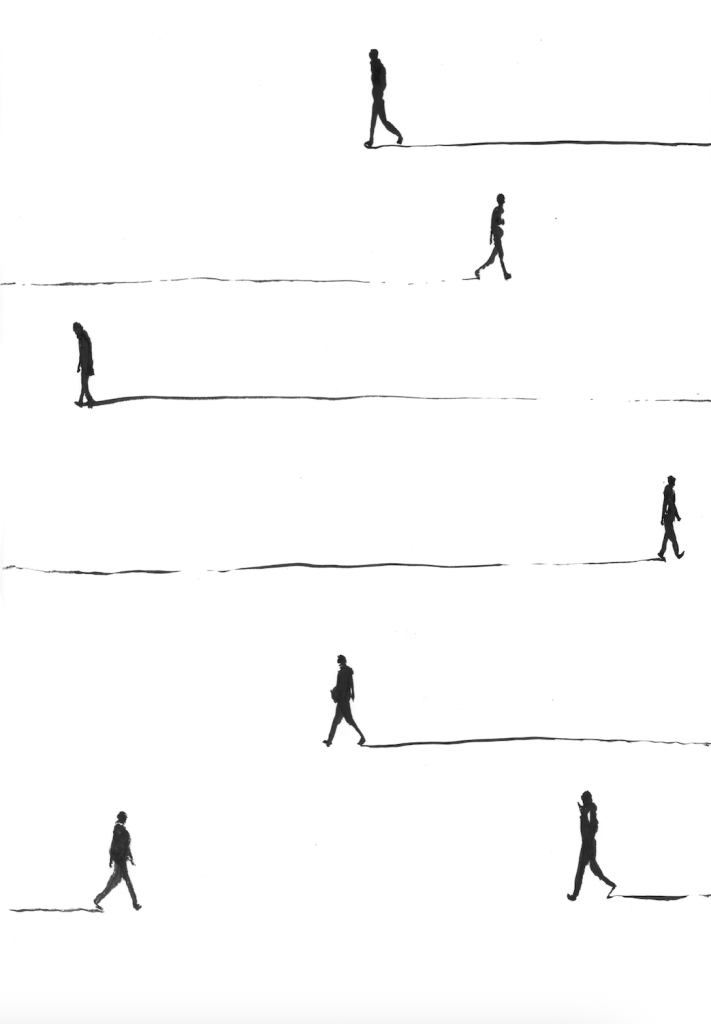
Karen Elizabeth Bishop and David Sherman began the Elegy Project in spring 2022. In this public poetry initiative, our volunteer teams distribute recent elegies in public spaces for strangers. People who find these poems are free to leave them for others, take them home, or circulate them elsewhere. We think of this project as a dispersed, interactive, mobile anthology of excellent recent elegies. We believe this poetry can help people connect with one another and find language for grief in this hard season of loss.
Elegy is an ancient lyric tradition for speaking to, about, and on behalf of the dead. In these fundamental tasks that shape human worlds across generations, elegy is uniquely charged with desire and ethical power. It marks a crucial limit of poetic imagining, working at the edges of mortuary practice. Over two thousand years ago, the Roman poet Catullus addressed his dead brother in lines recently re-translated by Anne Carson in her own elegiac work Nox:
Many the peoples many the oceans I crossed —
I arrive at these poor, brother, burials
so I could give you the last gift owed to death
and talk (why?) with mute ash.
Elegy is, as Catallus confirms, an urgent journey bearing uncertain offerings to address a complicated absence. An intricate reckoning with human mortality, elegy is the quintessential art of working through grief and constructing memory. It continuously explores our capacity to know absent presences, gather remains, and inhabit cultural spaces alongside the dead. Elegy is the degree zero of poetry, an origin-point of human song and origin-song of the human.
Every modern generation must re-invent its relationship to the dead; elegy is the practice of this ongoing renewal. The Elegy Project seeks to gather and animate the contemporary elegiac imagination. This poetry emerges from a recent generation of writers that has dynamically engaged elegiac traditions to mobilize hope.
THE ELEGY PROJECT TEAM
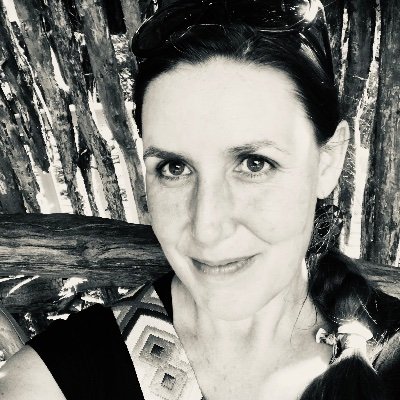 Karen Elizabeth Bishop is a UK/US poet, translator, and scholar. She teaches Spanish and Comparative Literature at Rutgers University, New Brunswick. Her current research focuses on lyric theory; elegy, memorial, and the craft of commemoration; geopoetics; and radical translation. Her debut collection of poetry, the deering hour, was published by Ornithopter Press in 2021. Recent poems and translations can be found in Amsterdam Review, Tahoma Literary Review, Poetry Northwest, The Lincoln Review, Lana Turner, Bennington Review, Modern Poetry in Translation, and New Writing Scotland. She is a 2025 New Jersey State Council of the Arts Fellow in Poetry. Her scholarly works include The Space of Disappearance: A Narrative Commons in the Ruins of Argentine State Terror (SUNY, 2021) and Cartographies of Exile: A New Spatial Literacy (Routledge, 2016). You can read more about her work here.
•
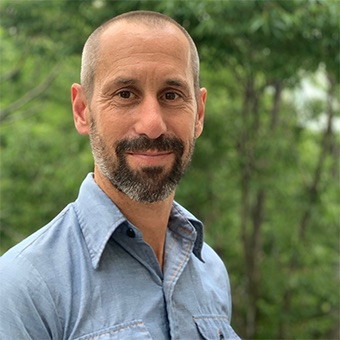 David Sherman is faculty in the English Department at Brandeis University. His research focuses on modernism, elegy and the politics of commemoration, public sphere theory, comedy, and literature in the criminal justice system. In a Strange Room: Modernism’s Corpses and Mortal Obligation (Oxford University Press, 2014) addresses literary responses to the modernization of mortuary practices around the turn of the twentieth century. He is currently writing a book on literary responses to secularization, The Machine Stops: Modernism, Human Fungibility, and the Critique of Secular Hope. You can find his faculty page here.
•
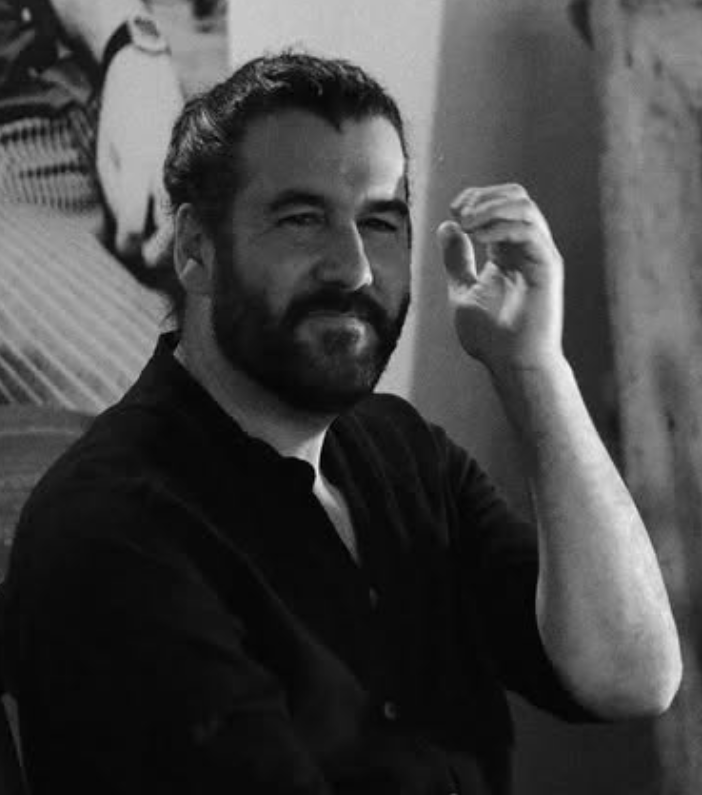 Patricio Hidalgo is a visual artist based in Sevilla, Spain. Figuras Flamencas, a retrospective of his contributions to the world of flamenco, was published by Libros de la Herida. To learn more about his work, please visit his online abode here.

